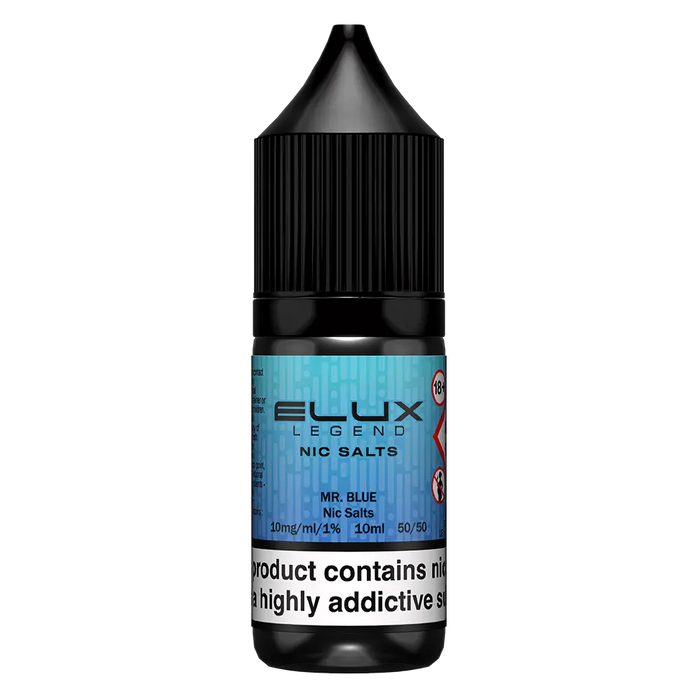
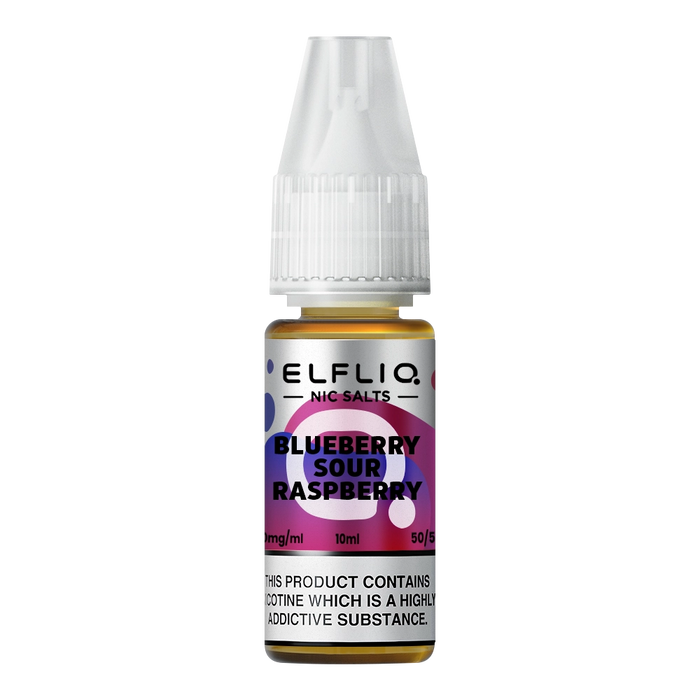
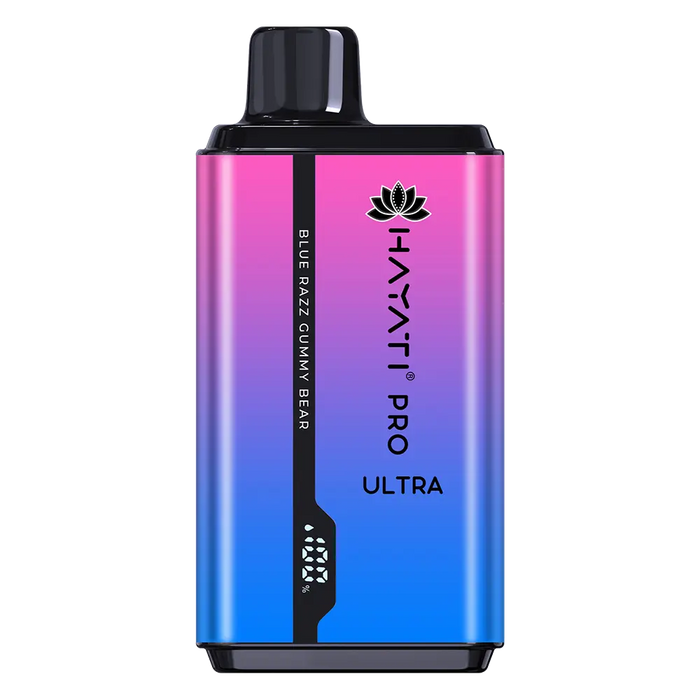
The short answer is yes, vaping can cause staining on your teeth. While it is generally less likely to cause the severe yellowing typically associated with smoking traditional cigarettes, vaping can still lead to discoloration. This is primarily due to the nicotine and flavouring agents present in e liquid.
Looking at the ingredients of e liquids and refillable vape, we can examine the impacts of vaping on oral health.
Nicotine in vape juice can cause the yellowing of the teeth over time, especially with frequent use. While vaping doesn’t produce the tar that stains teeth like traditional cigarettes, nicotine can still discolour teeth and worsen issues like dry mouth and gum problems.
Flavourings in e liquids can leave sticky residues on teeth, contributing to plaque build-up and attracting bacteria. Sweeteners and chemicals in vape juice can cause staining and, in some cases, tooth decay, particularly with darker or sweet flavors.
Vaping has rapidly become a popular alternative to traditional cigarette smoking, especially among those looking to reduce their exposure to harmful toxins like tar and tobacco. While many view refillable vape as a safer option, there is still much to learn about how vaping affects your overall health, particularly your oral health. In this blog, we’ll explore how vaping impacts your oral health and answer the question: does vaping stain teeth?

Vaping involves using an electronic cigarette or similar device to inhale a vapor, typically containing nicotine, flavouring, and other chemicals. Unlike traditional cigarettes, which burn tobacco, vape devices vaporize a liquid known as "e-juice" or "vape juice." This mixture often contains nicotine, glycerin, propylene glycol, and flavouring agents. When heated, this liquid produces an aerosol that is inhaled by the user.
While vape kits are marketed as a safer alternative to traditional cigarettes, the long-term health effects of vaping are still not fully understood. However, emerging research suggests that while vaping is less harmful than smoking, it still carries health risks, particularly for oral health.
Vaping can stain your teeth, but not in the same way as traditional smoking. 2 main components in vape juice, e-liquids, or vape liquid are the reasons.
Nicotine is one of the main components in most refillable vape. When inhaled, nicotine can adhere to the teeth, causing a yellowish tint over time. Though vaping doesn't produce the same tar-filled smoke that causes staining with traditional cigarettes, nicotine can still discolour your teeth, especially if you vape frequently. Additionally, nicotine can exacerbate other oral health issues, such as dry mouth and gum problems.
Many vapes including disposable vapes contain flavouring agents that are added to make the vaping experience more enjoyable. While these flavors may seem harmless, they can contribute to plaque build-up on your teeth. The sweeteners and chemicals used in e-liquids can leave behind a sticky residue on your teeth, which can attract bacteria and contribute to tooth decay. In some cases, these flavouring agents can also cause staining, particularly if you are using sweet or dark-coloured flavors.
This leads us to another question: does vaping stain composite bonding? Yes. If you have dental work like composite bonding, you may find that the residue from vapes can cause staining or dulling of the bonding material over time.
Vaping is likely to cause fewer staining issues than smoking. While both smoking and vaping have negative impacts on your oral health, smoking is generally considered to be more harmful. Traditional cigarettes introduce tar and other carcinogens into the mouth, leading to more severe staining, gum disease, and oral cancer. Vaping, on the other hand, lacks these toxins but still carries risks such as dry mouth, gum disease, and tooth discoloration.
Read more blogs about vaping to understand the impacts of vaping on your daily life such as Do Vapes Have Calories?

Vaping is considered less harmful than smoking traditional cigarettes because it doesn’t involve burning tobacco, which produces tar, carcinogens, and other toxic chemicals. Studies have shown that while vapes may still expose users to harmful substances like nicotine and various chemicals, they do not contain the same amount of toxins as conventional cigarettes.
However, vaping is not risk-free. Although it may be less damaging than smoking, it still poses significant health concerns, particularly when it comes to oral health.
While vaping might seem like the lesser evil compared to smoking, it still brings with it a range of oral health issues that should not be overlooked.
One of the most common side effects of vaping is dry mouth, also known as "vape mouth." The propylene glycol found in most e-liquids is hygroscopic, meaning it absorbs moisture. This can lead to a sensation of dryness in the mouth and throat, which is uncomfortable and can lead to further oral health complications. Saliva plays a critical role in oral health by washing away bacteria and food particles, but when vaping decreases saliva production, your mouth becomes more prone to bacterial buildup, increasing the likelihood of tooth decay.
Vaping can significantly increase the risk of dental decay due to its effects on saliva production and the presence of chemicals in e-liquids. Nicotine reduces saliva flow, which leaves your teeth vulnerable to bacteria that cause cavities. Additionally, certain flavouring agents in e-liquids can contribute to plaque build-up, which accelerates tooth decay. Without adequate saliva to protect your teeth, cavities and dental issues are more likely to occur.
Bad breath, or halitosis, is another common issue for vapers. The reduction in saliva caused by vaping leads to a dry mouth, which makes it easier for bacteria to accumulate on your teeth and tongue. As bacteria break down food particles, they release sulfur compounds that cause bad breath. Nicotine also has an impact on the bacterial environment in your mouth, further exacerbating the problem.
The effects of vaping on gum health are similar to those of smoking. Nicotine restricts blood flow to the gums, which makes it harder for your gums to receive the nutrients they need. This can lead to gum recession, inflammation, and the eventual development of periodontitis. Gum disease is one of the most common causes of tooth loss, and vaping can significantly increase your risk of developing this serious condition.
When choosing an e-cigarette, always opt for high-quality, authentic products. Low-quality or counterfeit vapes may contain harmful chemicals that exacerbate oral health issues. Consider buying refillable vape and high-quality e-liquids such as R and M Vape for a safe and sustainable vaping experience. WizVape stocks up the biggest collection of disposable vapes, vape kits, nic salts and e liquids at the cheapest prices in the UK.
Does nicotine free vaping stain teeth? Interestingly, no nicotine vape may cause less staining since nicotine is the main culprit behind yellowing. While it’s better to quit vaping altogether, switching to nicotine-free alternatives can help protect your teeth and gums. Shop all 0 nicotine vapes, such as Crystal Prime for the best value and healthy vaping journey.
Regular visits to the dentist are essential for anyone who vapes. A professional cleaning can help remove plaque buildup, prevent cavities, and keep your mouth healthy. Always notice the condition of your teeth before and after vaping to address any issues.
Does Vaping Stain Teeth? Yes, vaping can stain your teeth. While it may not cause the same level of staining as traditional smoking, the nicotine in e-cigarettes can still adhere to your enamel, leading to a yellowish tint over time. Additionally, the flavourings and sweeteners in e-liquids can leave behind sticky residue, contributing to plaque build-up and potential staining.
Vaping can cause minimal teeth staining, but significantly less than cigarette smoking. Nicotine and some e-liquid ingredients may cause slight yellowing over time with poor oral hygiene, but vaping eliminates tar (main staining culprit in cigarettes) making discoloration much less severe, slower to develop, and easier to prevent with proper dental care.
Vaping causes 90-95% less staining than smoking because cigarettes produce tar (primary staining agent) that vaping completely eliminates. Smokers develop deep brown/yellow stains within months; vapers may see slight discoloration after years with poor hygiene. Switching from smoking to vaping dramatically improves dental appearance and oral health.
Potential staining sources: nicotine oxidation (turns yellow when exposed to oxygen), propylene glycol slightly reducing saliva production (less natural cleaning), vegetable glycerin coating teeth (traps particles), darker e-liquid colorings, and sugar/sweetener residue. However, effects are minimal compared to smoking's tar and combustion chemicals causing severe, permanent staining.
Nicotine-free vaping (0mg) causes even less staining risk since nicotine oxidation is eliminated. However, VG/PG and flavourings may still cause minimal discoloration with extremely poor oral hygiene. Overall staining risk from 0mg vaping is negligible with basic dental care—brushing twice daily effectively prevents any noticeable discoloration.
Prevention methods: brush teeth twice daily with fluoride toothpaste, rinse mouth with water after vaping, stay hydrated to maintain saliva production, use whitening toothpaste weekly, visit dentist every 6 months for professional cleaning, avoid heavily colored e-liquids, don't vape immediately before bed without brushing, and maintain excellent oral hygiene overall.
Yes, vaping-related staining is easily reversible: professional teeth cleaning removes surface stains completely, whitening toothpaste gradually reduces discoloration, whitening strips offer faster results, professional whitening treatments provide dramatic improvement, and improved oral hygiene prevents recurrence. Unlike smoking stains (deep, permanent), vaping stains are superficial and treatable.
Vaping may cause: temporary dry mouth (reducing saliva's protective effects), minor gum irritation initially, and potential increased cavity risk with poor hygiene and sweet e-liquids. However, vaping eliminates smoking's severe risks: gum disease, tooth loss, oral cancer, and permanent damage. Vaping is significantly less harmful to oral health than smoking.
Darker colored e-liquids (coffee, cola, dark berry flavors) may cause slightly more staining than clear liquids, similar to how coffee stains teeth more than water. However, the difference is minimal with proper oral hygiene. Color has far less impact than nicotine oxidation and oral care routine—clear liquids with poor hygiene stain more than dark liquids with good care.
Dentists may detect vaping through: slight nicotine staining (if present), mild gum irritation, dry mouth symptoms, or by asking directly. However, effects are subtle compared to obvious smoking damage (severe staining, gum disease, tissue damage). Dentists support vaping as harm reduction from smoking and appreciate honesty for appropriate oral health guidance.
Vaping is far less harmful to gums than smoking. Cigarettes cause severe gum disease, recession, and bone loss through tar and combustion chemicals. Vaping may cause temporary irritation or dryness but doesn't produce the devastating gum damage associated with smoking. Switching from smoking to vaping allows gums to heal and recover significantly.
Effective whitening for vapers: whitening toothpaste with baking soda (Colgate Optic White, Sensodyne), whitening strips (Crest 3D White), professional cleaning every 6 months, activated charcoal toothpaste occasionally, and hydrogen peroxide rinses. Since vaping stains are superficial, basic whitening products work excellently—expensive treatments usually unnecessary unlike with smoking stains.
Visible staining from vaping typically takes years of consistent use with poor oral hygiene, versus months with smoking. Many vapers never experience noticeable staining with proper dental care. Factors affecting timeline: nicotine strength (20mg vs 0mg), oral hygiene quality, frequency of vaping, hydration levels, and natural tooth color—prevention is easy with basic care.
No significant concern necessary with proper oral hygiene. Vaping's staining risk is minimal compared to smoking (eliminated 95% of damage), easily preventable with twice-daily brushing, and reversible with simple treatments. Focus on overall oral health rather than excessive worry about staining—maintaining good habits eliminates problems completely for most vapers.
Neither PG nor VG directly stains teeth significantly. VG's slight coating effect may trap particles requiring more thorough brushing, while PG may reduce saliva slightly. The difference is negligible—nicotine oxidation and oral hygiene are far more important factors than VG/PG ratio. Both 50/50 and high VG liquids have minimal staining impact with proper care.
Get vaping products and guidance at WizVape, offering: nicotine-free options (0mg) for reduced staining risk, quality e-liquids from reputable brands, advice on oral health considerations, information on harm reduction versus smoking, and fast UK delivery—supporting your vaping journey while maintaining excellent dental health with expert recommendations.