Yes, vapes do have calories, but the amount is minimal when they are made with sugar-based sweeteners for flavourings. This amount of calories will not contribute to weight gain.
To explain in short:
In summary, vaping does contain calories, but the amount is so small that it will not contribute to weight gain or diet.
Vaping has become a popular alternative to traditional smoking, but with its rise, many questions have emerged about its effects on health. One common question that often comes up is, "Do vapes have calories?" It's a valid inquiry since vaping has become so widespread, and many people wonder how it might affect their weight or health. In this blog, we’ll dive into whether or not there are calories in vapes and explore the surprising answers.
Before we address the core question of "Do vapes have calories?", let’s first define what calories are. Simply put, a calorie is a unit of energy that your body uses for various functions, from breathing to physical activity. When you consume food or drinks, they provide calories, which your body either uses for energy or stores as fat.
Vaping refers to the act of inhaling vapor produced by an electronic device designed to heat e-liquid into an aerosol, which is then inhaled. The primary components of a vaping device include:
Every vape device such as Lost Mary 4 in1 or IVG Smart 5500 have these components. As you inhale the vapor, the question arises: Do vapes have calories? With the first look, there is only component that can contain calories which is E liquid. Let's take a closer look into this matter.
To understand if vaping has calories, it’s important to know what goes into e-liquids. E liquids, vape juice or vape liquid such as Elf Bar Liquid exist in all vape products, such as disposable vapes, vape kits, vape pods and vape pens. These liquids are the heart of any vape and are made from a blend of ingredients:
But, how many calories in a vape? Interestingly, the key ingredients themselves—nicotine, VG, and PG—don’t contribute significant calories. Nicotine may even increase metabolism slightly, but its calorie contribution is negligible. If you are a vapour, you might know that there are hundreds of flavour options, for example, there are 67+ Elf Bar Flavors alone in the disposable 600 puff collection. The real potential for calories in vaping comes from sweeteners added to the e-liquid. If your vape tastes sweet, they might have sweeteners in it. Let's dig deeper into this problem.
No, vapes such as Elf Bar AF5000 don’t contribute significant calories. While e-liquids do contain various chemicals, including sweeteners, these don’t add up to much. For example, a typical puff of vapor has an almost undetectable amount of calories.
However, is there calories in vape if the e-liquid contains sugar-based sweeteners? Yes, but the amount is still minimal and wouldn’t have a major impact on your diet.
Some e-liquids contain sweeteners to enhance the flavour, and this is where things get interesting. Certain sweeteners, like sucralose or propylene glycol, are calorie-free or contribute only a tiny amount of calories.
However, if you are using flavoured e-liquids with sugar-based sweeteners, it could contribute a small number of calories. But again, it’s not something that would cause significant weight gain. If you're concerned about calories in a vape, consider opting for e-liquids with fewer sweeteners or using unflavoured versions to keep things calorie-free.
Another frequent question related to vapes and calories is whether vaping could affect your weight. The direct answer is: not significantly. Vaping doesn’t burn a large number of calories, but nicotine can slightly suppress appetite. That said, it’s important to note that many people experience cravings when they quit smoking or vaping, which could lead to overeating. So while vaping may not add calories, it might indirectly influence your eating habits.
Let’s break this down: How many calories in a vape are we really talking about? When you factor in the e-liquid’s ingredients and potential sweeteners, it’s safe to say that vaping doesn’t add much to your daily caloric intake. The actual calorie count per puff is minimal, and most vapers would have to consume massive amounts of e-liquid for it to have any noticeable effect on their weight.
In short: is there calories in vape? Yes, but the amount is negligible and wouldn’t impact your health or weight in any meaningful way.
While the calorie count is low, it’s essential to remember that vaping still carries other health risks. Nicotine, for instance, can affect your heart rate and overall well-being. Vaping may not contribute significantly to your caloric intake, but it’s important to be aware of the long-term effects of inhaling vaporized substances.
Vaping, particularly with nicotine, can suppress appetite. This can lead to a decrease in food consumption, which is why it’s important to monitor your daily calorie intake. The standard recommended intake is around 2,000 calories for women and 2,500 for men. If you're vaping regularly, you may need to adjust your diet to ensure you’re consuming enough nutrients, especially if nicotine reduces your appetite.
Although vaping is less harmful than smoking traditional cigarettes, it still carries risks. Nicotine is highly addictive and can cause several side effects, including:
These side effects can indirectly impact your weight, causing fluctuations in appetite and overall metabolism. To mitigate these risks, it’s important to check the nicotine levels in the e-liquids you’re using. Frequent vapers may want to opt for e-liquids with lower nicotine content to avoid these adverse effects.
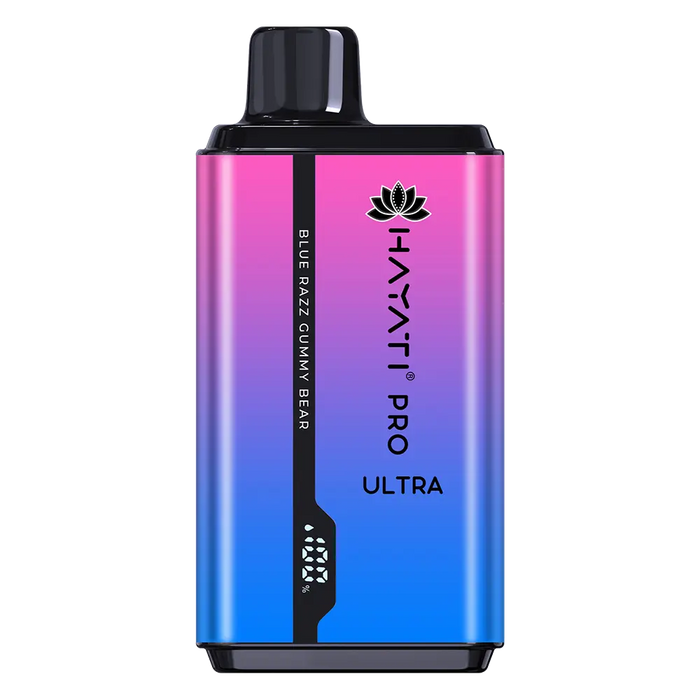
Check out the range of 0 nicotine vape such as Crystal Prime Vape or Hayati Pro Ultra at WizVape!
At WizVape, we understand that health-conscious vapers care about what they’re inhaling. That's why we offer premium e-liquids made with high-quality ingredients and without unnecessary added sugars. Our wide range of flavours ensures that you can enjoy your vape without worrying about excess calories.
So, do vapes have calories? The simple answer is: yes but very minimal. While certain sweeteners in e-liquids may add a small amount of calories, it’s negligible. Are there calories in vapes? Yes, but they’re not enough to impact your health or weight. If you’re vaping to quit smoking, the benefits far outweigh any minor calorie content. Start from reading our blog posts to choose the most suitable vapes for you, such as top crystal vape flavours.
If you're still concerned about the calories in a vape, consider opting for e-liquids that are free from sweeteners or added sugars like Elux Vape Juice. And remember, moderation is key to any lifestyle choice, even when it comes to vaping.
At WizVape, we believe in providing vape products that cater to your needs while keeping things clean and healthy. Check out our collection today and discover how you can enjoy your vape without worrying about calories.
Vaping contributes virtually no calories—e-liquids contain negligible caloric content (estimated 4-5 calories per 1ml if any), far too minimal to impact weight. However, nicotine affects metabolism and appetite: increases metabolic rate slightly (burns 7-10% more calories), suppresses appetite temporarily, may cause weight gain after quitting due to metabolic adjustment and increased eating, but vaping itself won't cause weight gain.
A single puff contains essentially zero calories—approximately 0.001-0.01 calories if any, coming from trace amounts of VG/PG and sweeteners. Even heavy vaping (300 puffs daily) would only total 1-3 calories maximum, nutritionally insignificant and impossible to affect weight or break a caloric fast.
Vaping is not a recommended weight loss method. While nicotine suppresses appetite and slightly increases metabolism, relying on vaping for weight loss is unhealthy because: creates nicotine addiction, only provides temporary appetite suppression, causes rebound weight gain when quitting, has health risks outweighing benefits, and doesn't address underlying eating habits. Proper diet, exercise, and lifestyle changes are safe, sustainable solutions.
Elf Bars contain negligible calories—approximately 8-12 calories total in the entire 2ml device from sweeteners (sucralose) and VG/PG base, equivalent to less than 1 calorie per 50 puffs. This trace amount is nutritionally insignificant, won't affect weight, and is far less than any food or beverage consumed.
Disposable vapes contain minimal calories: 600-puff disposable has approximately 5-15 total calories from propylene glycol, vegetable glycerin, and sweeteners. This equals roughly 0.01-0.02 calories per puff—completely insignificant for weight management, won't break a fast, and is negligible compared to any actual food consumption throughout the day.
Most vapes do NOT contain sugar—they use sugar-free artificial sweeteners like sucralose, ethyl maltol, or stevia to enhance flavor without calories or tooth decay. Sugar would caramelize at vaping temperatures damaging coils and creating harmful compounds. Some cheap or unregulated products might contain sugar, but reputable UK TPD-compliant brands use only sugar-free sweeteners.
Yes, many e-liquids contain sweeteners to enhance flavor, primarily sucralose (Splenda), ethyl maltol, or stevia. While these contribute negligible calories (sucralose is 600x sweeter than sugar—tiny amounts needed), excessive sweeteners cause: faster coil degradation (gunk buildup), reduced coil life (3-5 days vs 1-2 weeks), and potential dental concerns with heavy use. Look for less-sweet flavors for longer coil life.
Most vapes are gluten-free—standard ingredients (PG, VG, nicotine, flavorings) contain no gluten. However, some complex flavorings might use grain-derived alcohol or additives containing gluten traces. People with celiac disease or severe gluten sensitivity should: check manufacturer ingredient lists, contact brands directly, choose simple fruit flavors (less likely to contain gluten), and avoid dessert/bakery flavors that might use grain-derived ingredients.
Yes, most e-liquids are vegan-friendly—core ingredients (PG, VG, nicotine) are plant-based or synthetic. However, some flavorings may contain: animal-derived glycerin (rare—most VG is vegetable-based), honey flavorings using real honey, dairy-derived cream flavorings, or carmine (red dye from insects). Vegan vapers should: choose brands explicitly labeled vegan, avoid creamy/dessert flavors without verification, and contact manufacturers about specific ingredients.
Standard e-liquids contain no caffeine—it's not a typical ingredient. However, specialty 'energy vape' products exist claiming caffeine content, though effectiveness is questionable because: caffeine absorption through lungs is inefficient compared to ingestion, amounts are minimal, and scientific evidence for vaporized caffeine benefits is lacking. If seeking caffeine, coffee or energy drinks are far more effective delivery methods.
No, vaping is not an effective or healthy weight loss tool. While nicotine temporarily suppresses appetite and marginally increases metabolism (7-10% boost), this approach is problematic because: creates harmful nicotine addiction, provides only short-term appetite suppression, causes weight gain after quitting (often more than before), doesn't teach healthy eating habits, has respiratory and cardiovascular health risks, and isn't sustainable long-term. Proper diet, exercise, and behavioral changes are proven, safe methods.
Yes, paradoxically vaping can increase appetite through: sweet flavors triggering cravings for actual sweets, hand-to-mouth habit becoming associated with eating, blood sugar fluctuations from nicotine causing hunger, and psychological association between flavored vapor and food. Some vapers report increased snacking, especially with dessert flavors, potentially contributing to weight gain despite nicotine's appetite-suppressant properties.
Nicotine in vapes affects metabolism by: increasing resting metabolic rate by approximately 7-10% (burns 100-200 extra calories daily), stimulating thermogenesis (heat production), affecting insulin sensitivity, and altering fat storage patterns. However, these effects are temporary, diminish with tolerance, reverse after quitting, and are insufficient for meaningful weight management—not worth health risks for minor metabolic boost.
Weight gain after quitting vaping is common but not inevitable: average gain is 4-7 pounds due to normalized metabolism (losing nicotine's 7-10% boost), increased appetite as suppression ends, hand-to-mouth habit redirected to eating, and improved taste/smell increasing food enjoyment. Prevent weight gain by: planning healthy snacks, exercising regularly, staying hydrated, managing stress without food, and gradually tapering nicotine rather than quitting abruptly.
No significant difference—flavored and unflavored e-liquids contain similar negligible calories. Flavorings are highly concentrated essences used in tiny amounts (1-10% of liquid), contributing virtually no additional calories. Sweeteners in flavored liquids add minimal calories (sucralose is calorie-free in amounts used). Whether unflavored or triple chocolate fudge, caloric content remains nutritionally insignificant at less than 5-10 calories per ml.
Find accurate vaping information at: reputable e-liquid manufacturer websites (ingredient lists), WizVape for product specifications and ingredient transparency, Public Health England for health research, NHS for medical guidance, and peer-reviewed scientific journals for metabolism studies. Avoid: unsubstantiated claims about weight loss benefits, products marketed as diet aids, and misinformation suggesting vaping as healthy weight management—focus on evidence-based information from credible sources.